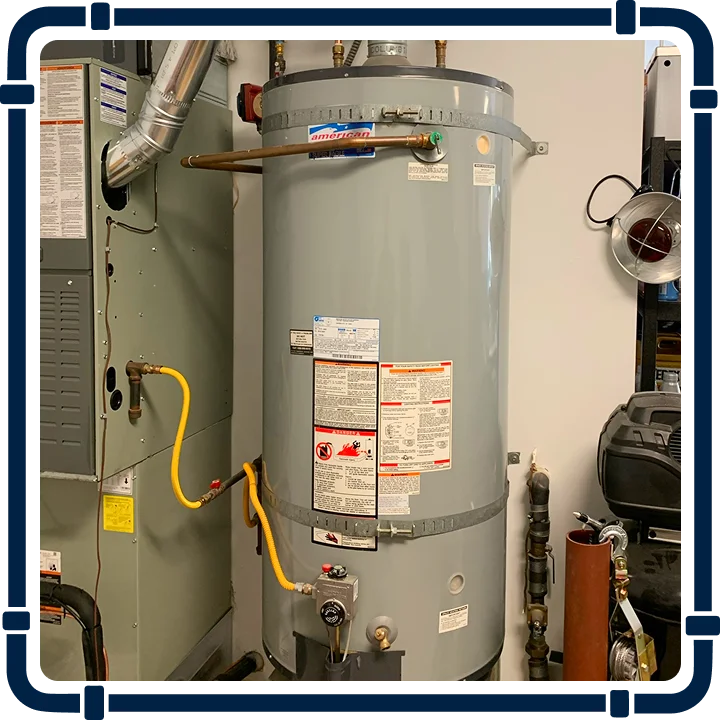
Get Water Heater Repair in Puyallup
Having a functional water heater is extremely important for any Puyallup home. If your heater takes a very long time to produce hot water or is only able to push it to certain fixtures in your home, daily necessities such as cooking, cleaning, and hygiene can become difficult and time-consuming. Meanwhile, if your heater has stopped working entirely or you’re afraid to use it in case it breaks, it will be difficult to care for your family properly with only cold water.
Pristine Plumbing is available to perform hot water heater diagnosis and repair, and fix the issue or recommend water heater replacement options if necessary! Whether your heater just needs some basic repair or needs to be replaced and you aren’t sure what type of heater would be best, our plumbing company can help out and recommend the best option for safety and reducing cost.
We can also assist with making sure your water heater is properly mounted to the wall according to Pierce County regulations, to keep it and those living in your home safe in the event of an earthquake.
Reasons Your Neighbors Trust Us
-
Step 1: Give Us a ShoutContact us anytime through our website, by text, or by phone. We're here to answer your questions and schedule a visit at a time that works for you.
-
Trusted & Reliable QualityOver 10 years of experience and highly rated by satisfied customers.
-
Respect for Your PropertyClean, courteous service that protects your home or business.
-
Full-Service PlumbingResidential, commercial, gas line, sewer, and grease trap solutions.
-
Upfront PricingHonest pricing with no hidden fees or unexpected costs.
-
Licensed & InsuredWashington State licensed plumbers delivering reliable, professional service.
-
Request FinancingView our financing options.
-
Customer ReviewsSee what our clients are saying.
-
Request AppointmentGet your plumbing fixed now.
-
Get to Know UsGet to know our local plumbing team.
Signs You May Need A Water Heater Repair
If you suspect your water heater is malfunctioning, it’s essential to address the issue promptly to ensure you have a reliable supply of hot water. Here are some common signs that homeowners might need a water heater repair in Puyallup:
Not enough hot water: If you’re consistently running out of hot water more quickly than usual or if you’re not getting any hot water at all, this is a clear indicator of a problem with your water heater.
Fluctuating water temperature: Does the water temperature vary significantly during a shower or while using hot water in your home? It could be a sign of a thermostat or heating element gone wrong.
Loud, unusual noises: Some noise from your water heater is normal, however strange noises such as popping, cracking, rumbling, or banging sounds, may indicate sediment buildup in the tank, which can affect heating efficiency.
Leaks or drips: Any water puddling around the water heater should be looked into immediately, as they can indicate a problem with the tank or connections. Most likely it’s a crack inside the water heater, but it’s best to fix it quickly before it starts costing you serious money.
Rusty or discolored water: If you notice rusty or discolored water coming from your hot water taps, it may be a sign of corrosion inside the tank, which could lead to a leak.
Foul odors: An unpleasant odor or metallic taste in your hot water can be a result of sediment buildup or bacterial growth within the tank.
Aging water heater: The average lifespan of a water heater is typically 8 to 12 years. If your water heater is approaching or has exceeded this age range, it may be more prone to issues and in need of replacement or repair.
Pilot light issues: For gas water heaters, if the pilot light keeps going out or the burner doesn’t stay lit, it may require professional attention to diagnose and fix the problem.
High energy bills: A sudden increase in your energy bills without any other explanation could be a sign that your water heater is not operating efficiently.
Sediment buildup: If you haven’t been regularly flushing your water heater to remove sediment, it can accumulate at the bottom of the tank, reducing heating efficiency and potentially causing damage.